
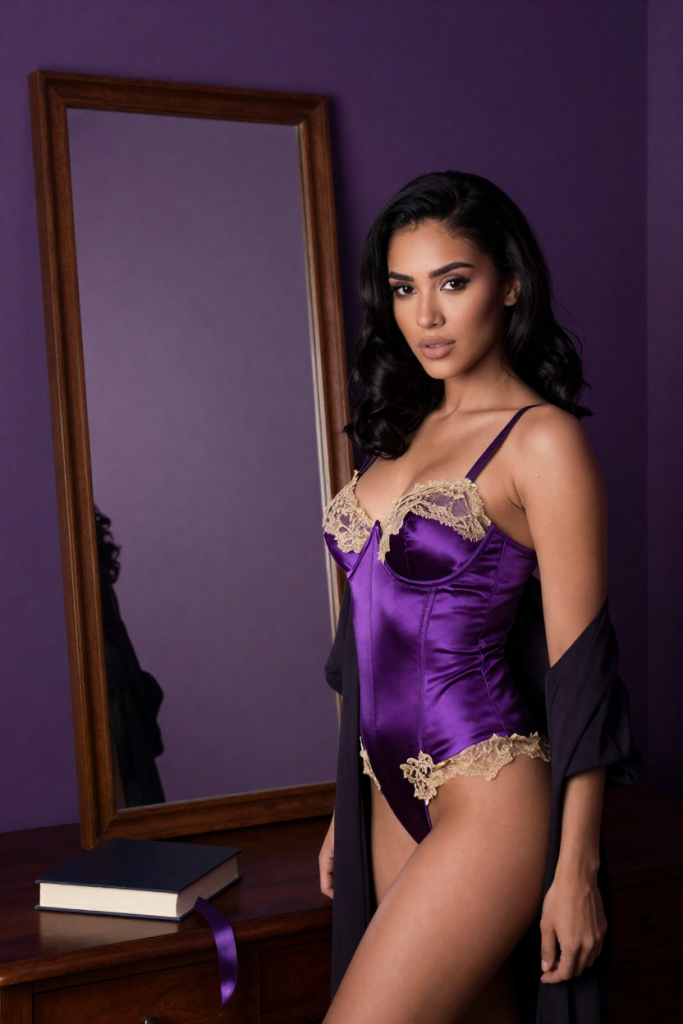
A mirror-stand card is not a paragraph of praise. It is five lines of record — age, hair, build, face, signature — written once and then pasted, word for word, at the head of every prompt the character ever appears in. The five-line discipline feels clerical, and it is: consistency is a clerical virtue long before it is an artistic one.
The five lines, in order
Age, as a plain number
A woman in her late twenties, written plainly — ’29-year-old’ — never ‘young-looking’ or ‘mature for her age’, which the model will interpret afresh every time.
Hair, build, face
Colour, length and one habitual style; build in two or three words; one or two facial details that survive a tight crop.
The signature
One small, plain, nameable detail — the detail a viewer would use to swear it is her in a thumbnail.
The mistakes undo the same way. Rewriting the card from memory between sittings is the first; it feels faithful and is not. Writing moods instead of facts is the second — a mood is an instruction to improvise. The third is changing two lines at once when a series disappoints: you will never learn which line was carrying her.
Questions
How long should the card be?
Five lines, roughly sixty words. Longer cards are not more faithful; they are more likely to be paraphrased, which is where drift enters.
Can two characters share a card?
No. Two characters, two cards, never a blend — the blend is the one character neither card describes.
When may the card change?
Deliberately, between series, as a written decision — never mid-sitting, never from memory.